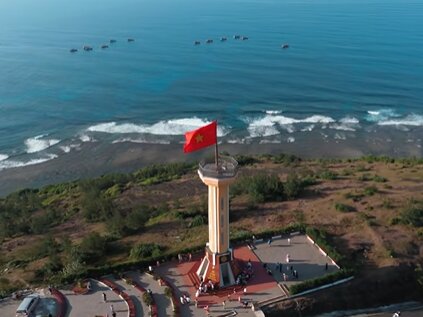
This Con Dao travel guide covers everything you need to plan a trip: what to see, when to go, how to get around, and what makes Con Dao different from every other island destination in Vietnam.
The short answer: Con Dao islands Vietnam offers a combination that is difficult to find anywhere else in the country. A French-era prison complex. Three of Vietnam’s official maritime boundary markers. One of the country’s best-protected marine national parks. Sea turtle nesting beaches operating under active ranger supervision. And diving conditions that have benefited directly from decades of strict conservation.
This guide explains all of it – factually, without the filler.
What Is Con Dao?
Con Dao (Côn Đảo in Vietnamese) is an archipelago of 16 islands and islets located off the southern coast of Vietnam, about 230 km southeast of Ho Chi Minh City. The islands are administratively part of Ba Ria – Vung Tau Province and are known for their pristine marine ecosystems and national marine park.
Key facts:
- Total land area: Approximately 76km²
- Largest island: Con Son (~51km²), home to the main town and airport
- Population: Approximately 10,000 permanent residents
- Protected status: Over 80% of land and all surrounding waters fall within Con Dao National Park
- Airport code: VCS (Con Dao Airport, also called Co Ong Airport)
- Flight time from Ho Chi Minh City: Approximately 45 minutes
Con Dao remained largely closed to mass tourism for decades due to its prison history and conservation priorities. That restraint is the main reason its reefs and forests are still in the condition they are.
Vietnam's 11 Maritime Boundary Points: What They Are and Why Con Dao Matters
One of the least-discussed but most significant aspects of any serious Con Dao travel guide is the island’s role in defining Vietnam’s territorial sea.
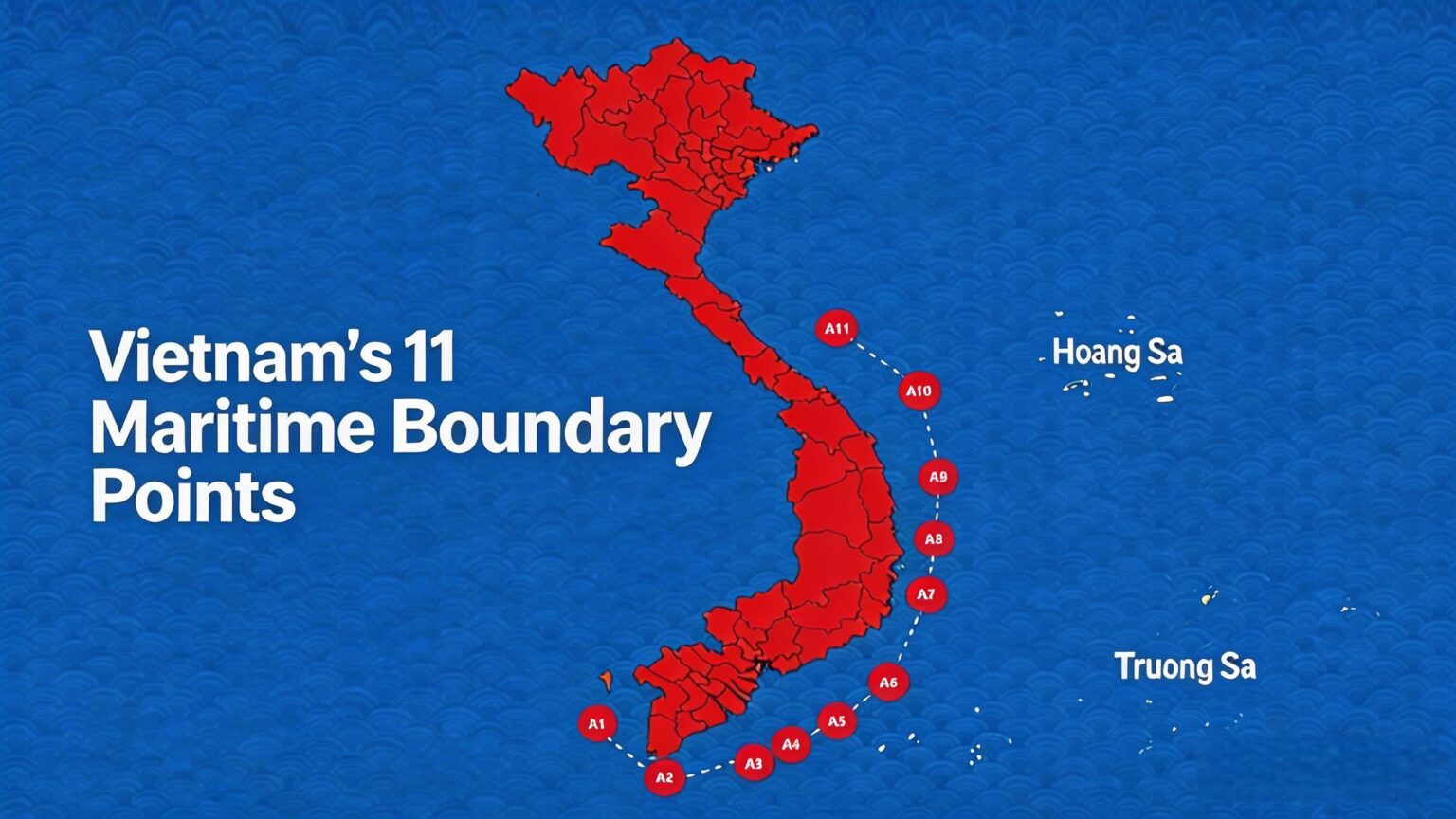
Vietnam’s 11 maritime boundary points are a set of geographic coordinates officially declared on November 12, 1982, in accordance with the United Nations Convention on the Law of the Sea (UNCLOS). These points connect to form the baseline from which Vietnam’s territorial sea (12 nautical miles), contiguous zone (24 nm), exclusive economic zone (200 nm), and continental shelf are legally measured.
Three of those 11 points – A3, A4, and A5 – are located in the Con Dao archipelago. This makes Con Dao one of the most geographically significant island groups in Vietnam’s maritime legal framework.
Map showing the locations of Vietnam’s 11 Maritime Boundary Points (A1–A11) along the country’s coastline and offshore islands. | Metadata: Title: 11 Maritime Boundary Points of Vietnam Description: Map showing the 11 maritime boundary points along Vietnam’s coastline in the East Sea, including locations near the Hoang Sa (Paracel) and Truong Sa (Spratly) islands. Author / Creator: Con Dao Dive Center Byline / Credit: Con Dao Dive Center Copyright: Keywords: Vietnam maritime markers, 11 cot moc tren bien, Vietnam sea boundary markers, East Sea Vietnam map, Hoang Sa Truong Sa map, Vietnam maritime sovereignty, Vietnam coastline map Location / Geotag (optional): Alt text: Map of the 11 maritime boundary points along Vietnam’s coastline in the East Sea. Filename SEO: vietnam-11-maritime-boundary-points-map.jpeg |
All 11 Baseline Points: Complete Reference
A1 – Hon Nhan (Tho Chau Archipelago, Kien Giang Province)
Coordinates: 9°15′ N, 103°00′ E
Province: Kien Giang (Phu Quoc district)
Area: ~2,000m² | Max elevation: 40m above sea level
Hon Nhan marks Vietnam’s southwesternmost baseline point. Bare granite with no trees, it is named after the thousands of swiftlets that return each June to nest. Point A1 is the opening anchor of Vietnam’s entire southern baseline system.
A1 sovereignty marker on Hon Nhan Island in the Tho Chu Archipelago, Kien Giang Province. | 9.25631597378402, 103.46869373524049 Title: Description: Keywords: |
A2 – Hon Da Le (Kien Giang Province)
Dimensions:
- Length: ~120–130 m
- Width: ~30–35 m
- Height: ~6–7 m
Geology: Rocky outcrop, no freshwater, no vegetation
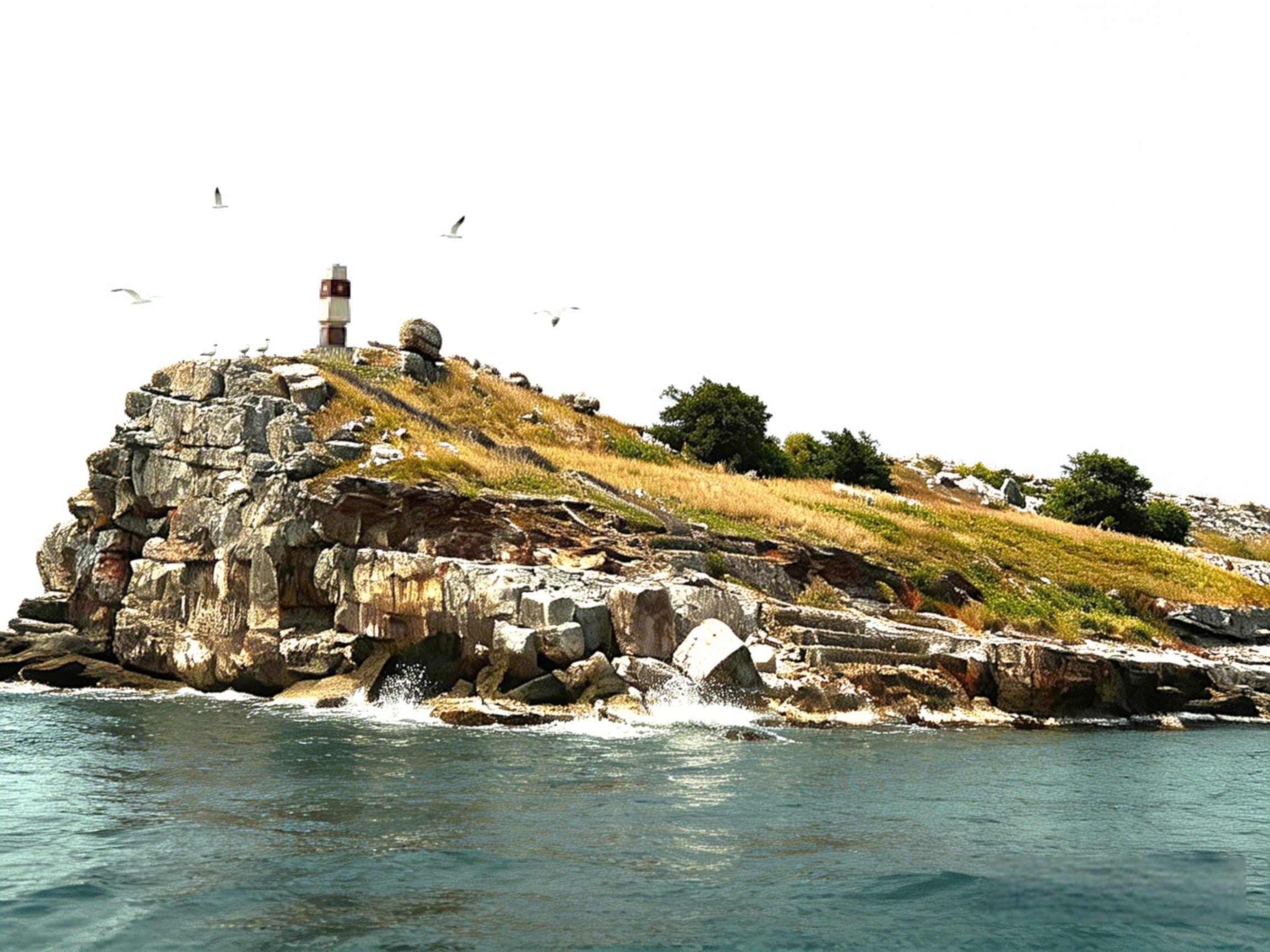
A small volcanic islet near the Hon Khoai group. Two submerged reefs extend southwest and disappear at high tide. From here, all five islands of Hon Khoai (including the radar station and lighthouse on the main island) are visible.
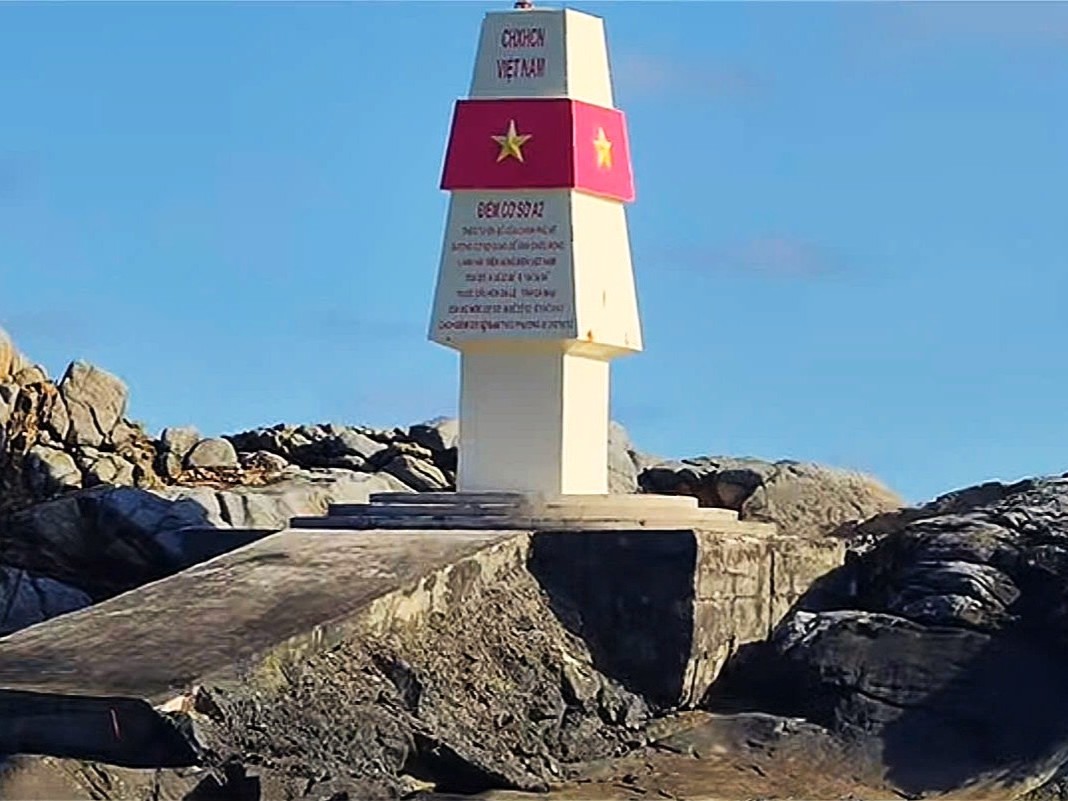
A2 sovereignty marker on Hon Da Le Island in Kien Giang Province, Vietnam | 8.381429248171496, 104.87841428190582 Title: Description: Keywords: |
A3 – Hon Tai Lon (Con Dao Archipelago, Ba Ria – Vung Tau Province)
The first of three Con Dao baseline points. Hon Tai Lon has the most diverse terrain in the group: forest interior, rocky coastline, and intact surrounding reef. Overnight camping is permitted through national park programs.
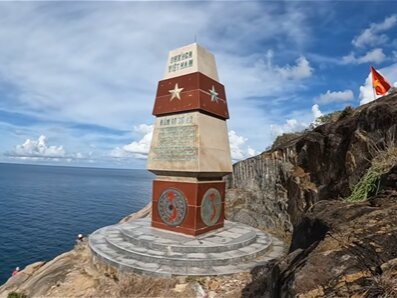
A3 sovereignty marker on Hon Tai Lon Island in the Con Dao Archipelago, Ba Ria – Vung Tau Province. | 8.635518105620633, 106.63142598111101 Title: Description: Keywords: |
A4 – Hon Bong Lan (Con Dao Archipelago, Ba Ria – Vung Tau Province)
Access: Stone staircase carved into the rock face from sea level to the monument
Marine environment: Intact coral reef, suitable for snorkeling
The most easily accessible of the three Con Dao markers. The staircase cut directly into the cliff makes physical contact with the A4 monument straightforward even without technical climbing. Reef around the island is in good condition.
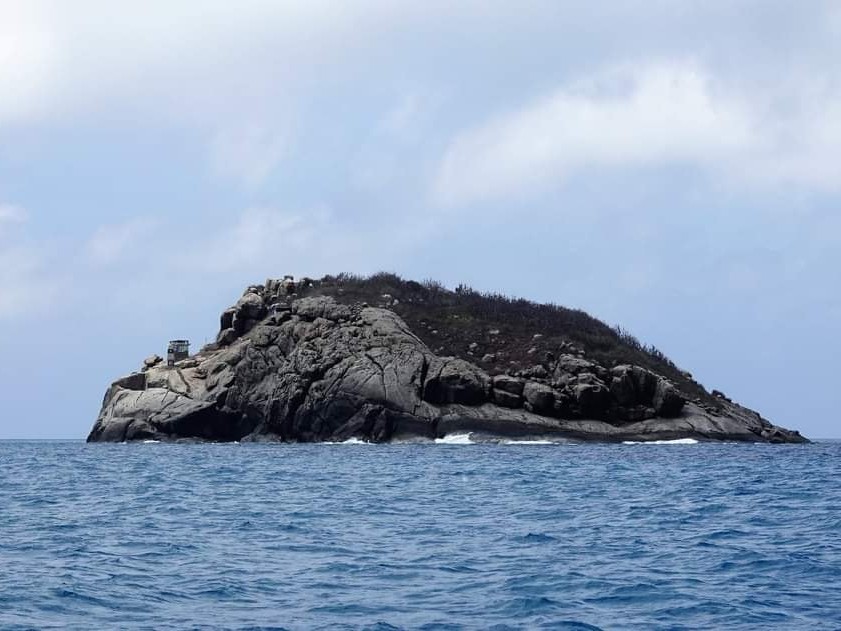
A4 sovereignty marker on Hon Bong Lan Island in the Con Dao Archipelago, Vietnam. | 8.650572435432853, 106.67484553957856 Title: Description: Keywords: |
A5 – Hon Bay Canh / Bay Canh Island (Con Dao Archipelago, Ba Ria – Vung Tau Province)
Landmark: Bay Canh Lighthouse – French colonial era, over 100 years old, still operational
Sea turtle nesting: April–October (most active nesting site in the archipelago)
Architecture note: The lighthouse dates from the French colonial period and remains operational today.
Hon Bay Canh is the most historically significant of the three Con Dao baseline markers. The lighthouse, built during the French colonial period, has operated for more than a century. The rocky coastline surrounding the A5 marker is among the most scenic in the outer Con Dao islands.
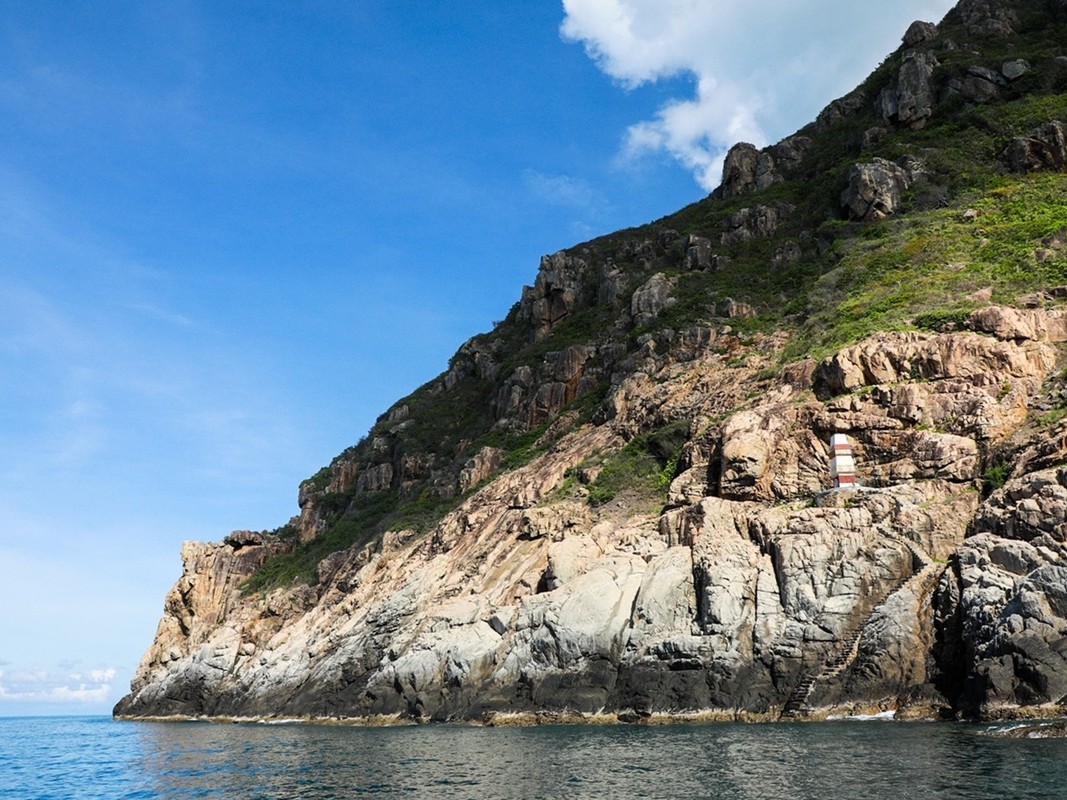
A5 sovereignty marker on Hon Bay Canh Island in Con Dao National Park. | 8.668019841329967, 106.70106993412331 Title: Description: Keywords: |
A6 – Hon Hai Island (Phu Quy District, Binh Thuan Province)
Geology: Volcanic rock, no groundwater
Water supply: Limited freshwater; rainwater collection affected by seabird contamination, so additional water must be transported from the mainland.
Infrastructure: ~300m² reinforced building, 380m² dock, 423m² forecourt, 170m underground tunnel
Hon Hai is notable for its underground tunnel system connecting different sections of the lighthouse station – a practical solution to surface conditions that include strong winds and heavy bird presence. Lighthouse keepers climb to the lantern room daily and sleep directly below the light.
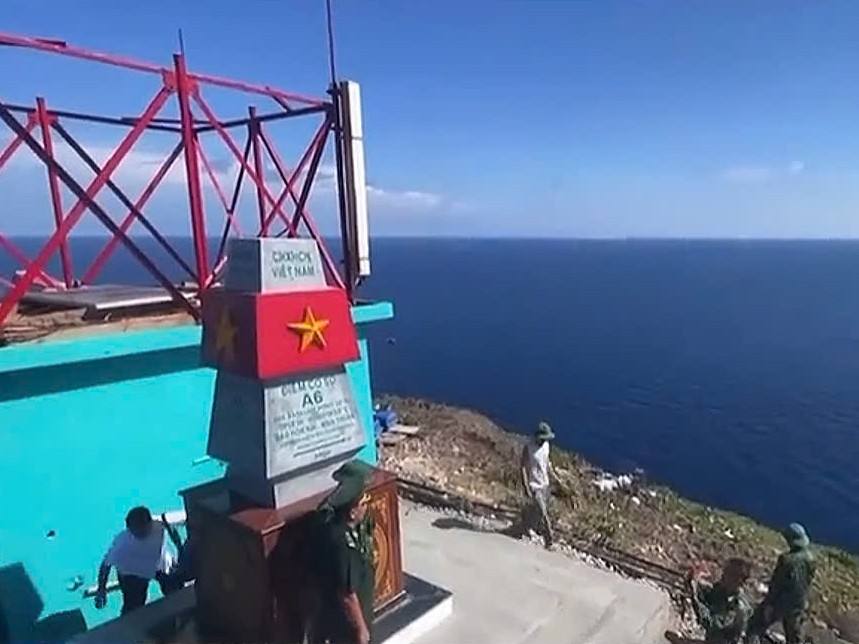
A6 sovereignty marker on Hon Hai Island in Phu Quy District, Binh Thuan Province. | 10.238411796550814, 109.13909792715211 Title: Description: Keywords: |
A7 – Hon Doi (Khanh Hoa Province)
Location: Less than 1 nautical mile from Vietnam’s easternmost mainland point
Administration: Khanh Hoa Bird’s Nest Company (swiftlet nest harvesting + maritime security)
Defined by massive granite boulders carved into unusual shapes over geological time. Approximately 10–15 minutes by boat from the Mui Doi area near Dam Mon Peninsula.
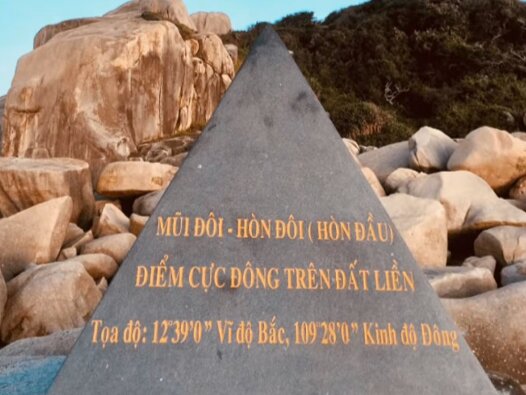
A7 sovereignty marker near Hon Doi in Khanh Hoa Province, close to Mui Doi. | 12.654517806790086, 109.46738715890964 Title: Description: Keywords: |
A8 – Mui Dai Lanh / Cape Dai Lanh (Phu Yen Province)
Geographic significance: First point on Vietnamese soil to receive sunrise each day
Landmark: Dai Lanh Lighthouse – French colonial construction, active, cliffside position
Mui Dai Lanh is Vietnam’s easternmost baseline point and the location where sunlight first touches the country each morning. The lighthouse is climbable; arriving before dawn to watch sunrise from the lantern room is a well-documented experience among travelers to Phu Yen.
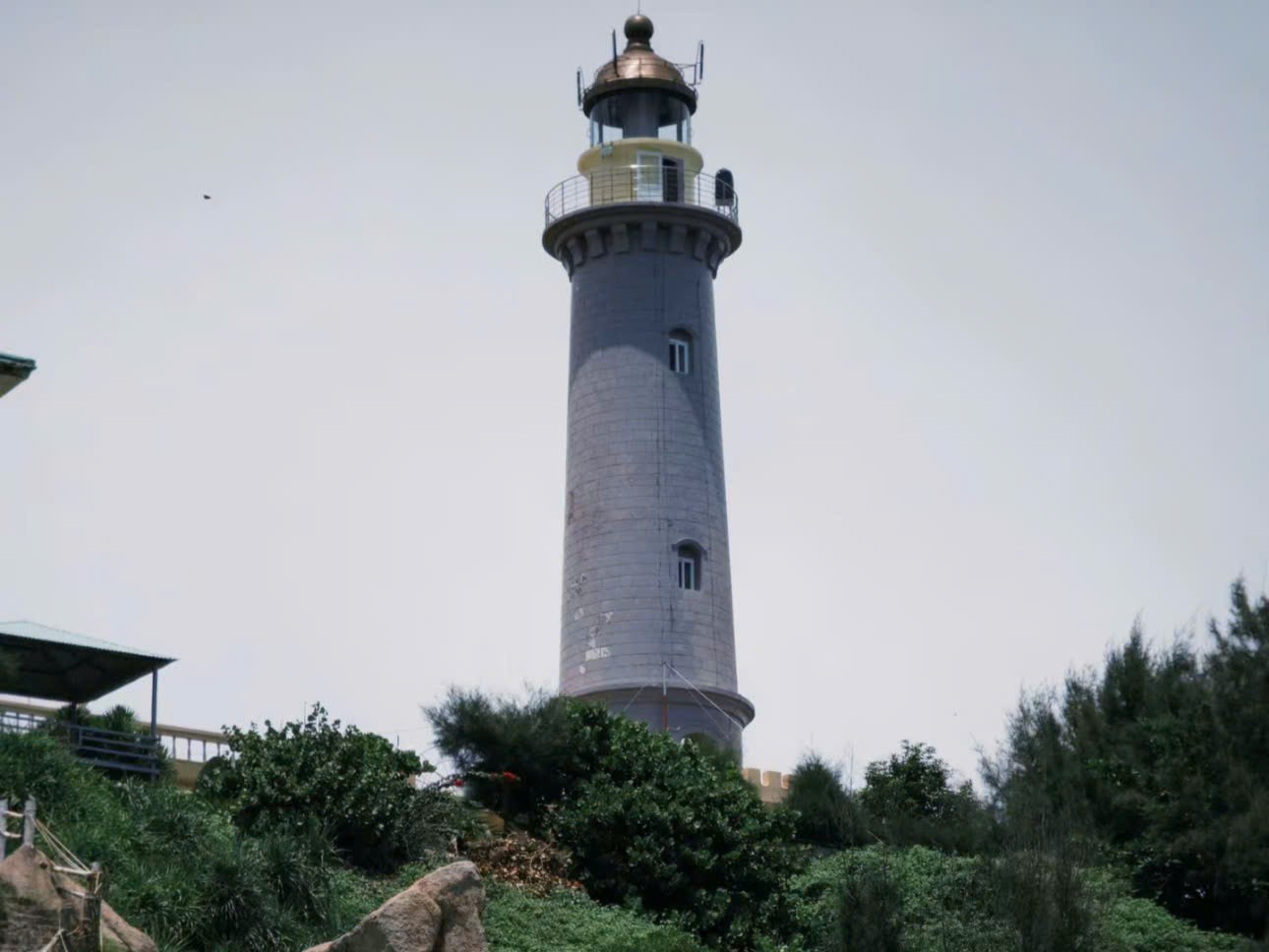
A8 sovereignty marker at Mui Dai Lanh (Cape Dai Lanh) in Phu Yen Province. | 12.89641370478429, 109.45690318775408 Title: Description: Keywords: |
A9 – Hon Ong Can (Binh Dinh Province)
Structure: Chain of three connected islands; A9 marker on the farthest
Terrain: Central rock rises 20+ meters; deep fissure creates permanent surge channel
Access: Landing is possible on calm days, but the rocky shoreline makes approach difficult.
The A9 monument sits atop a naturally dramatic formation – the 20-meter rock is visually a sovereignty marker on its own before the official monument is even considered.
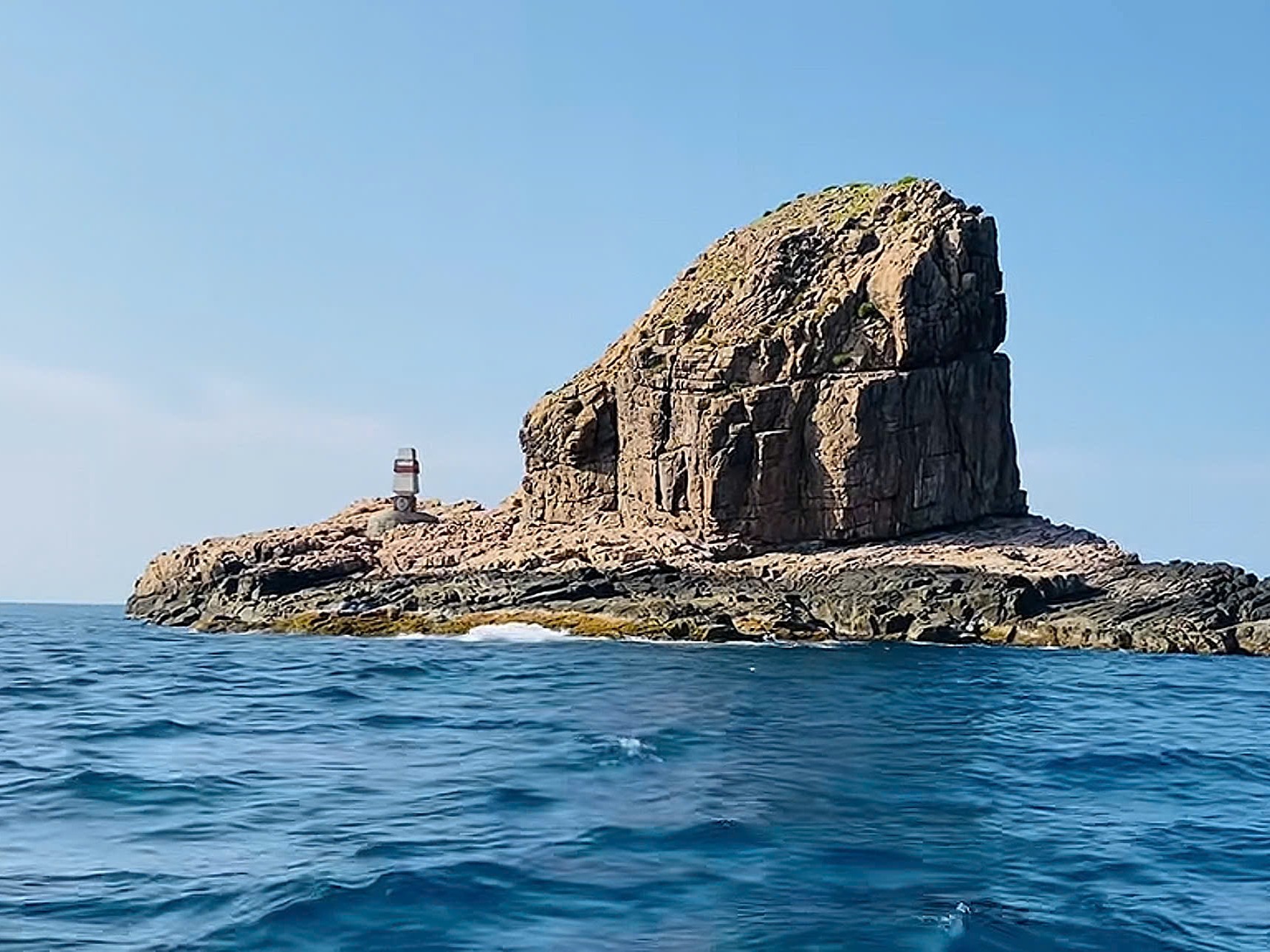
A9 sovereignty marker on Hon Ong Can Island off the coast of Binh Dinh Province. | 13.898729316479617, 109.35047238650786 Title: Description: Keywords: |
A10 – Ly Son Island (Quang Ngai Province)
Historical significance: Home base of the Hoang Sa Flotilla – Vietnam’s historical maritime patrol force for the Paracel Islands
Transport: High-speed ferry from Sa Ky port, Quang Ngai (~30 minutes)
Notable product: Ly Son garlic – grown in volcanic soil, considered the finest in Vietnam
Ly Son’s connection to Vietnamese maritime history predates the 1982 baseline declaration by centuries. Soldiers from the Hoang Sa Flotilla – commissioned under the Nguyen Lords to patrol and document the Paracel Islands – were predominantly from Lý Sơn. Many are buried on the island.
A10 sovereignty marker on Ly Son Island in Quang Ngai Province. | 15.378206057339119, 109.11966079857169 Title: Description: Keywords: |
A11 – Con Co Island (Quang Tri Province)
Coordinates: 17°10′ N, 107°21′ E
Distance from mainland: 27km east of Mui Lay
Area: ~4km²
Province: Quang Tri
Con Co is the northernmost point in Vietnam’s southern baseline system, established in 1982. The island sits about 27 km off the coast of Quang Tri and covers roughly 4 km². Because of its position near the entrance to the Gulf of Tonkin, Con Co has long played an important role in monitoring maritime activity in this part of the sea.
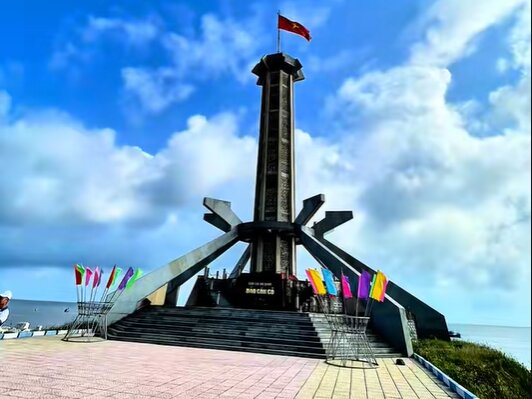
A11 sovereignty marker on Con Co Island in Quang Tri Province. | 17.160617097989185, 107.34036330740678 Title: Description: Keywords: |
The eleven baseline points form the official straight baseline system declared by Vietnam on November 12, 1982, used to measure the country’s territorial sea under the United Nations Convention on the Law of the Sea (UNCLOS).
Things to Do in Con Dao
The Prison Complex – Non-Negotiable Historical Context
No honest things to do in Con Dao list omits this. The Con Dao Prison Complex operated from 1862 (under French colonialism) through 1975, incarcerating tens of thousands of political prisoners across 11 camps. Key sites within the complex:- Phu Hai Camp – the oldest and best-preserved camp, used throughout both French and American periods
- Phu Tuong Camp (Tiger Cages) – the isolation cells made internationally known after a 1970 Life magazine investigation
- Phu Binh Camp – larger scale, built during the American period
Hang Duong Cemetery
The burial site of more than 20,000 people who died in Con Dao’s prison system. Among them is Vo Thi Sau – a resistance fighter executed at 19, who became one of Vietnam’s most recognized revolutionary figures. Her grave draws visitors consistently throughout the year. Many come in the evening or early morning, following a local tradition that has persisted for decades.Sea Turtle Monitoring Program
Con Dao National Park runs a managed sea turtle observation program from April through October, when green turtles (Chelonia mydas) come ashore to nest on the outer island beaches. Participation requires advance booking, and group sizes are strictly limited. Rangers accompany all visits. This is one of the few places in Southeast Asia where this can be done with direct scientific supervision.Beaches
Con Dao’s beaches are not managed for mass tourism:- Bai Dat Doc – white sand, clear water, minimal infrastructure
- Bai Ong Dung – remote, accessible only by forest trail
- Bai Nhat – nearest to the town center, suitable for swimming and casual snorkeling
Forest Trekking
Con Dao National Park has marked trails through primary forest. The terrain ranges from easy coastal walks to more demanding ridge routes. A local guide is recommended for navigation and wildlife observation.Con Dao Diving: What the Reef Actually Looks Like
Con Dao diving takes place within one of Vietnam’s most strictly protected marine areas. Decades of fishing restrictions and controlled tourism access have maintained reef health at a level rarely found elsewhere in the country. Full details on diving services in Con Dao are available if you want to review options before planning.
Key Dive Sites in Con Dao
Hon Cau
- Depth: 5–22m
- Best for: All levels
- Character: Dense hard coral formations, consistent fish density, regular sightings of reef sharks in season
Hon Tai
- Depth: 8–25m
- Best for: Intermediate to advanced
- Character: Rock walls, frequent green turtle encounters, occasional hawksbill turtles
Hon Trac
- Depth: 6–20m
- Best for: Beginners to intermediate
- Character: Coral slope, good visibility, manageable currents
Underwater visibility: 10–25 meters depending on site and season
Best diving season: March through September
Snorkeling in Con Dao
Snorkeling in Con Dao requires no certification – only basic swimming ability. Best areas: around Hon Bay Canh, Hon Bong Lan, and Hon Tai. Green turtles frequently surface for air in the shallows at these sites, particularly in the early morning
Con Dao Sea Turtles: What to Know
Con Dao hosts the largest sea turtle nesting population in Vietnam. The primary species is the green turtle (Chelonia mydas); hawksbill turtles (Eretmochelys imbricata) are also present.
Key facts about Con Dao sea turtles:
- Nesting season: April through October, peak July–August
- Primary nesting beaches: Hon Bay Canh, Hon Tre Lon, Bai Cat Lon
- Annual nesting count: Varies by year; typically 300–500+ nesting events recorded within the national park
- Management: Con Dao National Park rangers conduct nightly patrols, collect and protect eggs, and monitor hatching
Turtle monitoring visits are strictly quota-based – advance booking is essential during peak months.
Con Dao National Park: Conservation Framework
Con Dao National Park was established in 1993. It covers:
- Land area: ~5,998 hectares (primary forest and island terrain)
- Marine area: ~14,000+ hectares (surrounding waters)
- Marine protected zone: All dive sites operate under national park permits
The park protects coral reef systems, seagrass beds, mangroves, and nesting beaches for marine turtles. Entry to certain zones – including the outer islands – requires permits issued through licensed tour operators.
Planning Your Con Dao Trip
Best time to visit:
- March–September: Dry season, calm seas, best visibility for diving and snorkeling
- April–October: Sea turtle nesting season; weather is variable and some outer island trips may be cancelled June–September
Getting there and around:
- Fly from Ho Chi Minh City (~45 min), Can Tho, or Ha Noi to Con Dao Airport (VCS)
- Motorbike rental on the island: 120,000–150,000 VND/day (~$5–6 USD) – the most practical option
- Peak periods (April 30, National Day, summer school break): book accommodation and tours 3–4 weeks ahead
How to allocate your time:
- 2 days: Prison complex + Hang Duong Cemetery + outer island tour covering A3–A5
- 3 days: Add a half-day of diving or snorkeling at Hon Cau or Hon Tai
- 4 days: Add forest trekking or sea turtle monitoring (in season, April–October)
Dive Con Dao with Con Dao Dive Center
Con Dao Dive Center has operated in the archipelago for over 15 years with a consistent focus on small-group diving and national park compliance.
We maintain a maximum of 4–6 divers per guide – a deliberate limit that supports both safety and reef integrity. All instructors hold international certifications (PADI or SSI) with direct familiarity with local site conditions.
Our Diving Services in Con Dao:
- Discover Scuba Diving – no certification required; guided entry-level dives
- Open Water Course – full PADI/SSI certification for beginners
- Advanced Open Water Course – next-level training for certified OW divers
- Fun Dives – guided dives for certified divers at all experience levels
- Snorkeling Tours – including routes near the A3–A5 baseline markers
- Freediving – fun and coached sessions following Molchanovs standards
If you are planning a Con Dao trip and want to combine the outer island and baseline point tour with diving, contact us to align schedules.
Frequently Asked Questions: Con Dao Travel Guide
What is Con Dao known for?
Con Dao is known for three things: its French-era prison complex (one of the most historically significant sites in Vietnam), its marine national park with among the healthiest reef ecosystems in the country, and its role as Vietnam’s most important sea turtle nesting site.Is diving in Con Dao good?
Con Dao diving is considered among the best in Vietnam. The reef is protected by one of the country’s strictest marine conservation frameworks, resulting in higher coral cover and fish density than most other Vietnamese dive destinations.Can you see sea turtles in Con Dao?
Yes. Green turtles nest on the outer island beaches from April through October, with peak activity in July and August. Underwater turtle sightings occur year-round at sites like Hon Tai and Hon Bay Canh.What is the best time to visit Con Dao?
March through Septemver for diving and general travel – dry season, calm water, best underwater visibility. April through October for sea turtle nesting observation, though seas can be rougher and some outer island trips may be cancelled.What are Vietnam’s 11 maritime baseline points?
Vietnam’s 11 baseline points are a set of officially declared geographic coordinates that form the baseline from which the country’s territorial sea and exclusive economic zone are measured under international maritime law (UNCLOS 1982). Three of the 11 points – A3, A4, and A5 – are located in the Con Dao archipelago. This guide was written by the team at Con Dao Dive Center, a local dive operator that has been running diving and marine tours in Con Dao National Park for more than 15 years. Our instructors and guides work daily on the reefs around the archipelago, including dive sites near the A3–A5 maritime baseline markers.Conclusion
Con Dao holds a combination of things that rarely appear together: verifiable history, active marine conservation, legally significant maritime geography, and a reef ecosystem that has had time to recover.
This Con Dao travel guide is built around that combination – not around making the island sound more appealing than it is. If the facts above match what you are looking for in a destination, Con Dao will deliver. Plan for 3 days minimum, book the outer island tour in advance, and if you want to see what’s under the water, the reefs are there.